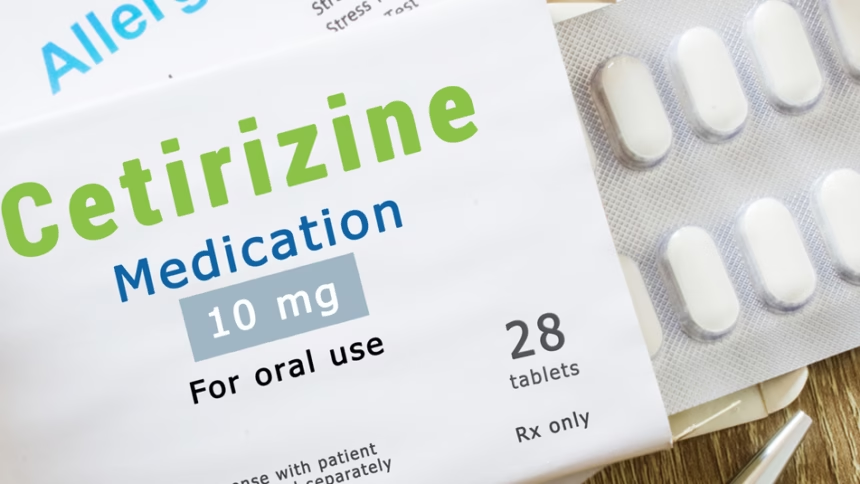
A claim spreading on social media this week tells women to insert cetirizine tablets into the vagina to feel “tighter”. Kenya’s medicines regulator and its pharmacists’ society have both said the idea has no scientific support and can cause harm. The episode began in Kenya, but any pharmacy counter in the region can face the same question, or the next viral shortcut, within days.
What the regulator and the pharmacists said
The Pharmacy and Poisons Board (PPB) issued a safety alert signed on 4 November by its chief executive, Dr Ahmed I. Mohamed. It said cetirizine is not approved for vaginal use or tightening, and that no established scientific evidence supports the claim. The board warned that inserting the tablets may cause irritation, burning, soreness, pain and discomfort. It added that products not intended for vaginal use can disturb the vagina’s natural protective environment and raise the risk of infection.
The Pharmaceutical Society of Kenya (PSK) issued its own statement on 5 November. Its president, Dr Wairimu Njuki, said cetirizine is an allergy medicine taken by mouth and is “not approved or tested for any other purpose, and definitely not for vaginal use”. Reports differ on where the trend started: some name TikTok, others X.
Why dryness is not tightness
Cetirizine is a second-generation antihistamine used by mouth for allergic rhinitis and hives. It is absorbed quickly from the gut and has an elimination half-life of around 10.5 hours in healthy volunteers, which is why it suits once-daily oral use.
The online claim appears to rest on a known effect of antihistamines: they can reduce secretions and cause dryness. PSK accepts that dryness can occur as a side effect, then draws the line that matters clinically. In its words, “dryness is not tightness”. Less lubrication does not strengthen vaginal muscle or change anatomy. It can increase friction and discomfort, and it raises the risk of tissue injury. PSK also points out that the tablets are made to be swallowed and that their ingredients have not been tested on delicate vaginal tissue.
What pharmacy teams can do
Regulators and the professional body have given pharmacists several practical points to work with.
- Do not promote, or knowingly dispense, a medicine for a purpose it was not made for. PSK has asked its members to follow this.
- Treat questions about “other uses” as a counselling opportunity. A calm explanation of what the medicine is for, and why this use is unsafe, will reach more people than a refusal alone.
- Tell anyone who has already tried it to seek care if they have pain, bleeding, burning, itching, unusual discharge or fever. PSK lists these as the warning signs.
- Report suspected adverse reactions through the national pharmacovigilance system. In Kenya, the PPB points to its online portal and the mPvERS mobile app. Pharmacists in Tanzania should use the reporting channels of the Tanzania Medicines and Medical Devices Authority (TMDA).
- Send customers with concerns about dryness, intimate comfort or sexual health to a pharmacist, doctor or other qualified health professional.
Demand, prices and the patients who need the medicine
The trend has had a commercial side effect. PSK says some pharmacies have reported higher demand, rising prices and shortages of cetirizine, and it has urged outlets to keep prices ethical so that people with allergies can still buy it. Citizen Digital reported that panic buying had pushed prices in Nairobi to triple, though that figure has not been confirmed by the regulator or the pharmaceutical society.
Some reports say authorities are considering closer monitoring of sales. Nairobi News noted that no formal decision on such a measure had been announced.
A lesson that crosses borders
Social media health claims do not stop at national borders, and a medicine that is cheap, familiar and widely stocked is an easy target. We have not located a statement on this trend from Tanzanian regulators such as TMDA or the Pharmacy Council of Tanzania at the time of writing, and there is no evidence in the sources reviewed that it has taken hold here. Even so, community pharmacies and accredited drug dispensing outlets in Tanzania handle antihistamines every day, and their staff may be asked.
The PPB, PSK and Kenyan media have framed the issue around one sentence worth repeating at the counter: a medicine’s availability says nothing about whether it suits a purpose it was never tested for. Pharmacists are well placed to say so, and to say it before an injury, a stock-out or a price spike makes the point for them.
This article is for professional and general information. It is not medical advice.