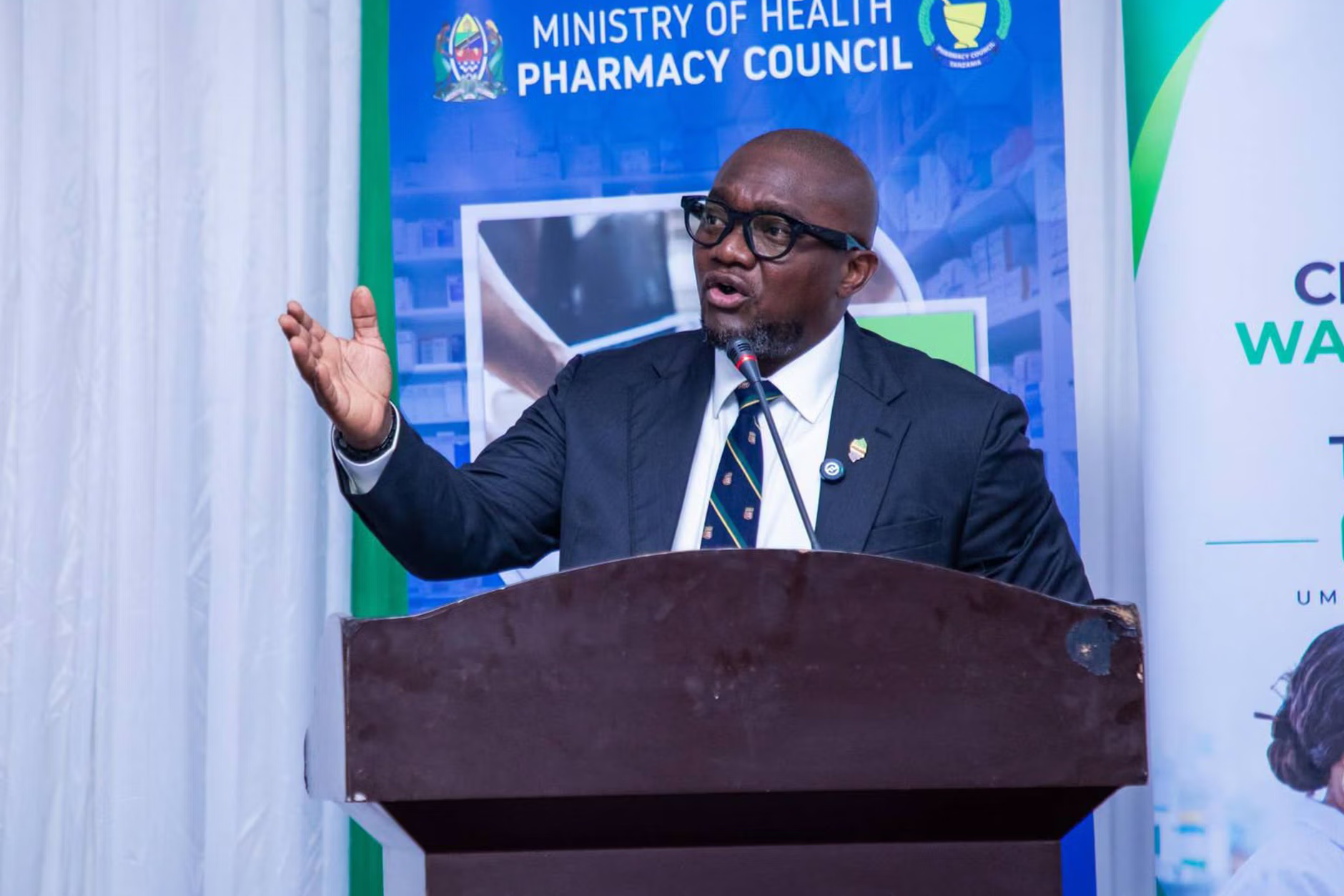
MWANZA, 25 November 2026. Vice President Deogratius Ndejembi has directed an assessment of how many pharmacy professionals the health system needs, with recruitment to follow in phases as the budget allows. He gave the instruction while opening the 56th Annual General Meeting and scientific conference of the Pharmaceutical Society of Tanzania (PST).
The task falls to the Ministry of Health and the President’s Office responsible for Public Service Management and Good Governance. The Vice President also called for work on a Directorate of Pharmacy to be completed.
The three-day meeting runs from 25 to 27 November at Kwatunza Beach Conference Hall in Ilemela District. Its official theme is “Generational Change: Unlocking Pharmacists’ Potential to Lead Tanzania’s Health and Pharmaceutical Manufacturing Transformation”.
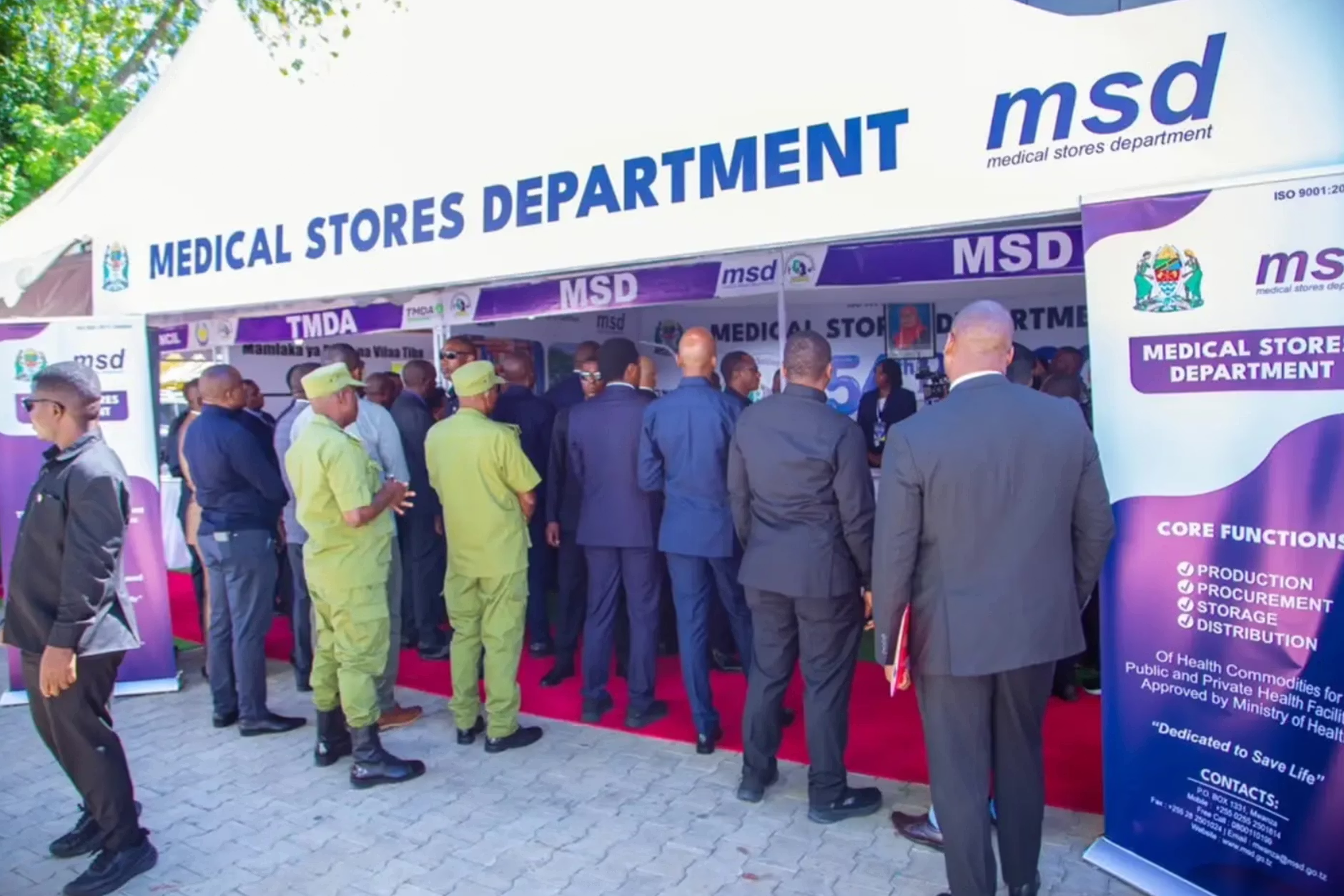
Before his address, Mr Ndejembi toured the exhibition and spoke with participants, including pharmaceutical manufacturers, medical supply distributors and academic institutions. PST leaders presented him with an honorary award of appreciation.
What the staffing assessment is meant to cover
The review should look at all levels of health care. It is expected to show where pharmacists and other pharmaceutical personnel are in short supply, how their work is currently being done, and which recruitment steps can be taken in phases.
Mr Ndejembi said adding hospital beds would not be enough to improve services if the number of professionals did not match public need. He also asked the two offices to complete improvements to the ikama, the public service staffing establishment, so that pharmacy professionals are recognised according to their expertise and duties.
PST President Fadhili Hezekiah asked that the review reflect what pharmacists do now. He named services in chronic disease clinics, supply management and medicine safety monitoring.
For job seekers, the distinction between an assessment and a vacancy matters. The opening produced no announced number of posts, completion date or recruitment budget.
A call for a Directorate of Pharmacy
The Vice President asked the Ministry of Health to finish the process of establishing a directorate responsible for pharmacy. He also called for suitable staffing structures at Muhimbili National Hospital, zonal referral hospitals and specialised hospitals to strengthen the management of pharmaceutical services.

He linked the case to growth in the profession. Pharmacist numbers were once small, he said, but education reforms from 2010 allowed more institutions to teach pharmacy.
“Today, as Government, we have a Chief Government Pharmacist because we recognise that pharmacy is an important cadre in achieving the Government’s aim of giving citizens good services,” he said, in remarks translated from Swahili. “So I do not see why the structure should not change to have a dedicated directorate of pharmacy as well.”
No date has been given for establishing the directorate, and its functions have not been set out. No circular, regulation or scheme of service has been published for either instruction, and nothing said at the opening addressed Zanzibar.
Manufacturing and land at Mloganzila
Local production, one half of the conference theme, also featured. Deputy Minister for Health Florence Samizi said 400 acres had been set aside at Mloganzila, Dar es Salaam, for a pharmaceutical industrial cluster. She said six factories were at various stages of construction and that some were expected to begin production in 2027.
Mr Ndejembi also asked the Ministry of Health to work with land sector stakeholders so that PST receives 400 acres at Mloganzila to build a teaching pharmaceutical manufacturing plant. It is not yet clear how that request relates to the 400 acres already designated for the cluster. Allocation, financing and ownership arrangements for a PST project have not been set out. Emmanuel Tayari, the Deputy Permanent Secretary responsible for pharmaceutical industries, said on an earlier occasion that all plots in the Mloganzila park had been allocated to investors.

The ambition sits against a large gap in supply. Our analysis of whether local production can secure the medicine supply found that reported domestic shares and 2030 targets differ between sources, and that a new factory still depends on ingredients, quality approval, payment and distribution.
Pharmacists interested in industry can watch for posts in production, quality assurance, quality control and regulatory affairs. Our earlier report on the 2030 local manufacturing target covers the policy discussion at the pharmaceutical technicians’ meeting in October.
Ethics, medicine losses and antimicrobial resistance
Mr Ndejembi asked pharmacists to uphold professional ethics and to act against theft and misuse of publicly funded medicines in health facilities. He said they have a duty to help keep medicines available and to maintain public trust.
He also urged wider use of information and communication technology to track medicines, improve transparency and reduce losses. He asked pharmacists to promote responsible antibiotic use and to teach patients to follow prescriptions and medical advice, because misuse contributes to antimicrobial resistance (AMR), where treatment stops working as it should.

Mwanza’s health service figures
Mwanza Regional Commissioner Salum Hamduni said the budget for improving health services in the region had risen from TZS 51.2 billion in 2024/25 to TZS 74.5 billion. The region has also received more than TZS 65 billion for health infrastructure. He put medicine availability at 93.3% and adequacy of stock at 85.5%, without stating how these were measured.
He also said 1,718 health workers had been employed in the region since 2021. The figure covers the whole health sector and does not show how many are pharmacy professionals.
What pharmacy professionals can do now
The instructions open a window for evidence from practice. Pharmacy teams and professional leaders can prepare:
- current staffing by cadre at their facilities, compared with the approved establishment
- workload data, including prescriptions handled, wards and clinics covered, and after-hours duties
- tasks that go undone or are delayed because of gaps, such as medication review or adverse drug reaction reporting
- examples of services that pharmacy staff already provide beyond dispensing
Members attending can also ask PST how it will take part in the review and report progress. Our article on what clinical pharmacists add to hospital care sets out some of the work a staffing review could count.

The rest of the conference
PST lists plenary sessions on pharmaceutical manufacturing, universal health coverage and health insurance, and supply chain resilience. Scientific tracks include digital health, hospital and clinical pharmacy, and prevention, health promotion and immunisation. PST lists 25 continuing professional development (CPD) points for the event.
The exhibition runs alongside the scientific sessions. Before the opening, organisers expected more than 500 pharmacists and about 27 local and international companies. The conference continues until 27 November.