

In a landmark move for Tanzania’s healthcare landscape, Muhimbili National Hospital (MNH) has officially launched the process to obtain International Accreditation for its pharmacy services. This initiative marks a pivotal shift toward aligning local pharmaceutical care with global best practices.
The move is part of a strategic push by the Ministry of Health to position Tanzania’s national referral hospitals as competitive hubs for high quality medical services within the SADC region and beyond.
The launch of this process coincided with an event to recognize and appreciate the contributions of MNH pharmacists who have previously received awards and recognition from various national and international authorities for their outstanding service delivery both within and outside the hospital.
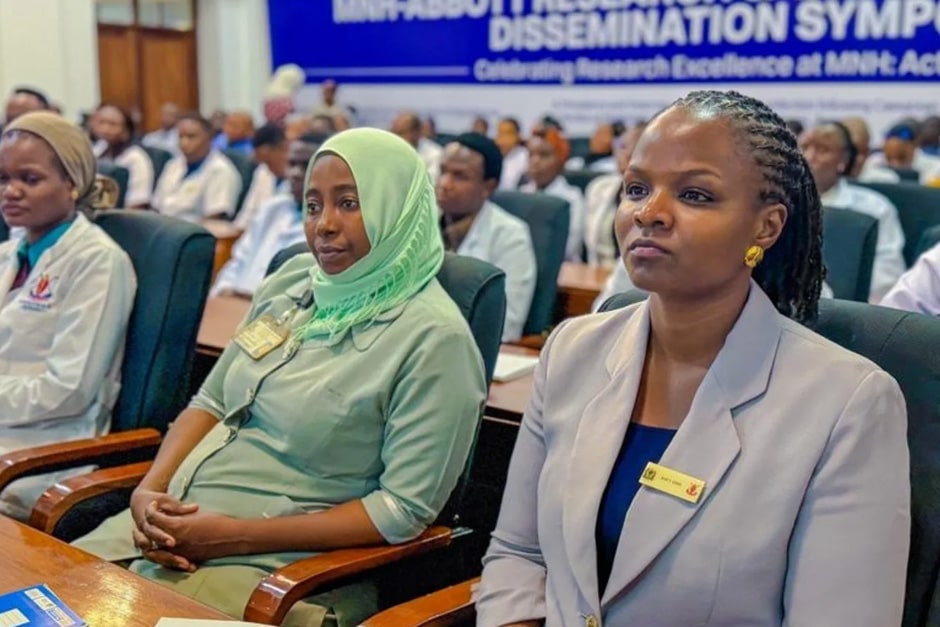
Speaking at the event, the Executive Director of Muhimbili National Hospital, Dr. Delilah Kimambo, stated that acquiring the ISO 9001:2015 international accreditation will further strengthen the quality of pharmaceutical services, enhance service delivery efficiency, and promote medical tourism in the country.
I would like to sincerely congratulate the Pharmacy Department for the great, dedicated, and impactful work you do every day. The services you provide are professional, adhere to international quality standards, and play a significant role in ensuring patients receive safe and effective care, – Dr. Kimambo.
On his part, the Acting Head of the MNH Pharmacy Department, Andrea Kiberenge, noted that the process of obtaining international accreditation will further improve pharmaceutical service delivery, increase public and stakeholder confidence in the health sector, and motivate pharmacists to continue working with professionalism and greater dedication.
He added that the Pharmacy Department has been working closely with other hospital departments through the use of modern communication systems, enabling patients to be reached in a timely manner and to receive appropriate, safe, and high-quality services.
Why International Accreditation?
Securing international certification is more than a badge of honor; it is a rigorous validation of quality, safety, and operational excellence. For a pharmacy department, this accreditation (often through bodies like Joint Commission International JCI) focuses on several critical pillars:
Medication Safety: Implementing failsafe systems to eliminate medication errors and adverse drug events.
Standardized Protocols: Adhering to Good Pharmacy Practice (GPP) in procurement, storage, and clinical dispensing.
Medical Tourism: As emphasized by government officials during recent visits to MNH, international certification is the “trust factor” required to attract international patients, thereby boosting medical tourism.
Revolutionizing Pharmacy Services at MNH
Muhimbili has already laid a strong foundation for this transition through several key internal reforms:
- Local Manufacturing: The expansion of the Local Production Unit (LPU) to manufacture essential medicines, reducing reliance on imports and ensuring supply chain stability (MNH, 2026).
- Digital Transformation: The integration of end-to-end electronic tracking systems to monitor drug movement from the central warehouse to the patient’s bedside.
- Clinical Pharmacy Excellence: Shifting the role of the pharmacist from “dispensers” to “clinical partners” who participate in ward rounds and consult directly on patient therapy.
Our goal is to ensure that every dose administered within these walls meets a globally verified standard of excellence, – MNH Management.
Benefits for Pharmacists and the Healthcare Sector
For the community, this accreditation process offers significant professional advantages:
- Global Benchmarking: Tanzanian pharmacists will now work under protocols recognized by worldclass healthcare institutions.
- Research Opportunities: International accreditation makes the hospital a more attractive site for global clinical trials and collaborative pharmaceutical research.
- Capacity Building: The process involves intensive training, upgrading the skill sets of the entire pharmaceutical workforce.
Conclusion
The launch of this accreditation process is a bold statement that Tanzania is ready to lead in specialized medical care in Sub-Saharan Africa. For the pharmacy profession, it is an invitation to embrace technology, precision, and global standards of care.